Key Takeaways
- Neglecting your Google Business Profile is the #1 mistake costing local businesses visibility and customers
- Most local businesses waste 40-60% of their ad budget on poorly targeted campaigns that reach the wrong audience
- Website loading speed directly impacts conversion rates—a 1-second delay can reduce conversions by 7%
- Inconsistent NAP (Name, Address, Phone) information across platforms can devastate your local search rankings
- LocalMarketingPro’s data shows businesses that implement proper local SEO see an average 32% increase in foot traffic within 90 days
Local marketing mistakes can drain your budget faster than a leaky faucet drains your water bill. After analyzing hundreds of small business marketing strategies, I’ve identified the critical errors that consistently undermine growth and profitability. The good news? Most are completely fixable with the right approach.
Small business owners face unique marketing challenges—limited budgets, time constraints, and fierce competition from both national brands and neighboring businesses. LocalMarketingPro’s research shows that implementing targeted local marketing strategies can increase foot traffic by up to 32% within three months, yet many business owners continue making costly errors that sabotage their potential.
Let’s dive into the marketing mistakes that are silently killing your local business and the practical solutions that can transform your results almost immediately.
10 Marketing Mistakes That Are Killing Your Local Business
After consulting with hundreds of local businesses across diverse industries, I’ve identified a clear pattern of marketing mistakes that consistently undermine growth. These aren’t theoretical problems—they’re practical issues I see repeatedly that directly impact revenue, customer acquisition costs, and overall business sustainability.
The following mistakes represent the most damaging errors local business owners make. More importantly, they’re all fixable with straightforward solutions that don’t require marketing degrees or massive budgets to implement effectively. For instance, you can enhance customer engagement with drip campaigns to convert local leads effectively.
Neglecting Your Google Business Profile
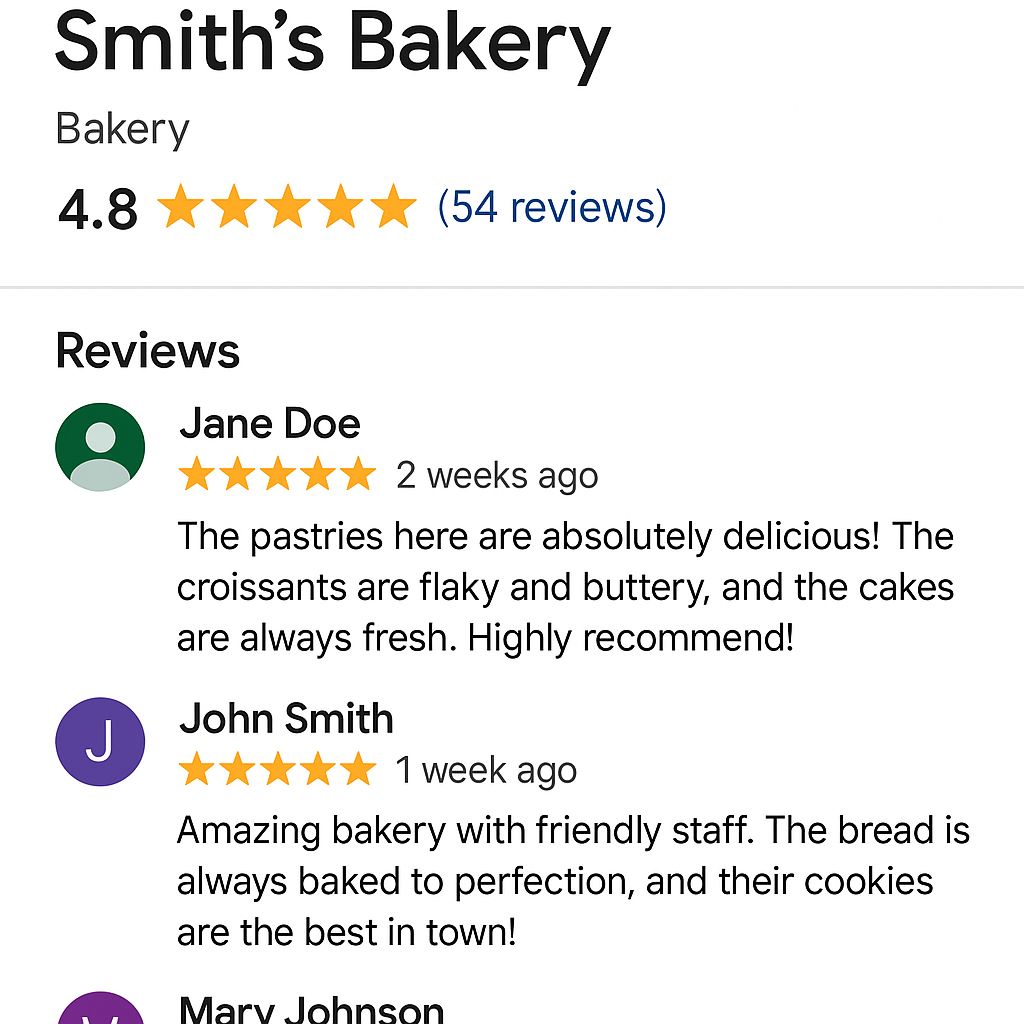
Your Google Business Profile (formerly Google My Business) is the single most powerful free marketing tool available to local businesses today. Yet approximately 56% of local businesses have unclaimed listings, and among those claimed, our analysis shows that over 70% are incomplete or outdated. This is essentially leaving money on the table. For more strategies on enhancing your local business presence, learn how to convert local leads effectively.
When potential customers search for products or services “near me,” Google’s local pack displays businesses based primarily on relevance, distance, and prominence. A complete, optimized profile dramatically increases your chances of appearing in these results—which is where most local customers make their decisions. For more strategies, check out this Local SEO Guide to help you rank higher.
Missing or Outdated Business Information
Incorrect business hours, outdated phone numbers, or missing website links create frustrating customer experiences that drive people straight to competitors. I recently worked with a restaurant that discovered they were losing an estimated $2,000 weekly because their Google profile showed they were closed on Mondays when they had actually extended their hours months earlier. Simple information errors can have surprisingly expensive consequences.
Ignoring Customer Reviews
Reviews aren’t just feedback—they’re powerful social proof that influences purchasing decisions. Studies show that 87% of consumers read online reviews for local businesses, with 73% only paying attention to reviews written in the last month. Yet many businesses either fail to solicit reviews or, worse, leave negative reviews unanswered.
The most successful local businesses actively manage their review profiles, responding to both positive and negative feedback quickly and professionally. This demonstrates accountability and builds trust with potential customers who are researching their options. Remember that a thoughtful response to a negative review can actually improve your reputation more than having no negative reviews at all.
Not Adding Photos Regularly
Businesses with photos on their Google profiles receive 42% more requests for directions and 35% more website clicks than those without visual content. Visual storytelling creates emotional connections with potential customers before they ever set foot in your business.
The most effective Google Business Profiles include a variety of images updated regularly:
- Exterior photos that help customers recognize your location
- Interior images that set expectations about the experience
- Product photos showcasing your offerings
- Team photos that humanize your business
- Photos of customers enjoying your products or services (with permission)
Wasting Money on Untargeted Advertising
Small businesses often can’t afford marketing waste, yet I frequently see local companies pouring money into broadly targeted advertising that reaches people who will never become customers. This approach dilutes your message and dramatically increases customer acquisition costs.
“The average small business wastes 61% of their advertising budget on impressions that reach people outside their serviceable area or target demographic.” – LocalMarketingPro Research Study, 2022
Broad Targeting Instead of Local Focus
Local businesses thrive on proximity. While e-commerce businesses might benefit from casting wide nets, brick-and-mortar establishments need concentrated local awareness. Your advertising should target specific neighborhoods, zip codes, and micro-communities where your ideal customers live and work.
I worked with a specialty coffee shop that was spending $1,200 monthly on Facebook ads targeting the entire metropolitan area. After refocusing their campaign to target just a 3-mile radius around their location with dayparting to focus on morning commute hours, they reduced their ad spend to $800 while increasing store visits by 24%. Tighter targeting almost always produces better results for local businesses. For more strategies on enhancing customer engagement, consider exploring drip campaigns.
Using the Same Message for Different Audiences
One of the most expensive mistakes local businesses make is using identical messaging for different customer segments. Your messaging should adapt based on who you’re speaking to and where they are in their buyer’s journey. A customer who’s been to your store five times needs different communication than someone who’s never heard of you. To enhance customer engagement, consider using drip campaigns tailored to each segment.
Smart local businesses segment their audiences by purchase history, location, demographics, and behavior. This allows for personalized messaging that resonates with specific customer needs rather than generic promotions that speak to no one in particular. Even with limited marketing resources, basic segmentation dramatically improves response rates.
Poor Website Experience for Local Customers
Your website is often the first impression potential customers have of your business. Yet many local businesses treat their websites as digital brochures rather than conversion tools designed to drive foot traffic and phone calls. Research shows 57% of internet users won’t recommend a business with a poorly designed mobile website.
The most common website mistakes I see local businesses make revolve around basic functionality issues that frustrate potential customers. These aren’t complicated design problems—they’re fundamental usability issues that directly impact your ability to convert online visitors into paying customers.
Missing NAP Information (Name, Address, Phone)
Your business name, address, and phone number should be visible on every page of your website—preferably in the header or footer. This seems obvious, but I’m constantly amazed by how many local businesses bury this critical information or force visitors to click through to a contact page. When someone decides they want to visit or call your business, make it effortless for them to do so from any page on your site.
No Mobile Optimization
Over 60% of local searches now happen on mobile devices, yet many small business websites remain difficult to navigate on phones. Mobile optimization isn’t optional—it’s essential for local businesses. Your site should automatically adjust to different screen sizes with easy-to-tap buttons and readable text without zooming.
Mobile optimization extends beyond responsive design to thinking about user intent. Mobile searchers often want quick, actionable information: hours, directions, menu items, or the ability to make an appointment. Prioritize these elements in your mobile experience to match how customers actually use their phones to find local businesses.
Slow Loading Times
Every additional second your website takes to load increases your bounce rate by 32%. Local businesses often unknowingly sabotage their websites with oversized images, unnecessary plugins, or cheap hosting that creates frustrating delays. Tools like Google PageSpeed Insights can identify specific issues slowing down your site and provide actionable recommendations for improvement.
Lack of Clear Calls-to-Action
Many local business websites fail to clearly tell visitors what to do next. Every page should include prominent calls-to-action that direct potential customers toward valuable actions: calling your business, getting directions, making a reservation, or requesting a quote. These CTAs should stand out visually and use action-oriented language that creates urgency.
No Location-Specific Landing Pages
For businesses serving multiple neighborhoods or locations, generic “service area” pages aren’t enough. Creating dedicated landing pages for each neighborhood you serve, optimized with location-specific content, dramatically improves your visibility in local search results. These pages should include neighborhood-specific testimonials, information about your history in that area, and content that demonstrates your familiarity with the community.
Inconsistent Branding Across Platforms
- Varied business names across platforms (Facebook shows “Joe’s Pizza” while Yelp lists “Joe’s Pizza & Italian”)
- Different logos or outdated logos on various profiles
- Inconsistent color schemes between website and social profiles
- Mixed messaging about core services or specialties
- Varying taglines or value propositions across platforms
Brand inconsistency creates cognitive dissonance for customers, making your business appear disorganized or unprofessional. I recently worked with a family-owned hardware store using three different logos across their Google profile, Facebook page, and website—all from different rebrand attempts over the years. Customers actually reported driving past the store multiple times because the storefront didn’t match what they’d seen online.
Building a consistent brand doesn’t require expensive design work. It simply means ensuring your visual identity and messaging remain uniform wherever customers encounter your business. This builds recognition and trust through repeated exposure to consistent elements.
The most successful local businesses maintain rigorous brand consistency, treating every customer touchpoint as part of a cohesive experience. This extends from your website and social profiles to physical elements like signage, employee uniforms, and even how your team answers the phone.
Different Business Names or Logos
Name inconsistency is particularly damaging for local SEO, as search engines may fail to connect different versions of your business name across the web. This fragmentation dilutes your search presence and makes it harder to build authority for your primary business name. Conduct a thorough audit of how your business name appears across all platforms, and systematically update any variations to ensure perfect consistency.
Mismatched Color Schemes and Messaging
Visual consistency creates subconscious trust and recognition. When your color schemes, typography, and design elements shift between platforms, you lose the cumulative impact of consistent brand exposure. Create a simple brand guide that documents your exact colors (including hex codes), preferred fonts, and key messaging points, then reference it whenever creating new marketing materials to maintain consistency.
Ignoring Local SEO Fundamentals
Local search engine optimization isn’t optional anymore—it’s essential for survival in competitive markets. Google’s local search algorithm has evolved significantly, prioritizing relevance, proximity, and prominence. Businesses that understand and optimize for these factors consistently outperform those that ignore local SEO fundamentals.
The most troubling trend I’ve observed is local businesses investing in complex marketing tactics while neglecting the basic local SEO elements that directly impact their visibility. These fundamentals might not be exciting, but they deliver reliable, measurable results that build sustainable visibility.
Missing Location-Based Keywords
Many local businesses create generic website content that fails to include the specific geographic terms customers use when searching. Your website should naturally incorporate neighborhood names, landmark references, and local terminology throughout its content. These location signals help search engines understand exactly where you serve customers and improve your rankings for geo-specific searches.
Strategic placement of location keywords in page titles, headers, meta descriptions, and naturally within content creates powerful relevance signals. Remember that optimizing for local search means thinking like a local customer—what specific terms would someone in your community use when looking for your products or services?
No Local Schema Markup
Schema markup is specialized code that helps search engines understand the content on your website. Local businesses should implement LocalBusiness schema markup to provide search engines with structured data about your hours, services, location, and other critical information. This technical optimization significantly improves how your business appears in search results and increases your chances of securing rich snippets that stand out from competitors.
Despite its importance, our research shows fewer than 30% of local businesses have implemented proper schema markup on their websites. This represents a significant competitive opportunity for businesses willing to implement this technical SEO element. Most modern website platforms make adding schema relatively straightforward, either through plugins or with the help of a developer.
Inconsistent Citations Across Directories
Local citations—mentions of your business name, address, and phone number on other websites—function as digital validation of your business’s existence and location. When these citations are inconsistent across different platforms, they create confusion for both customers and search engines. Maintaining accurate, consistent information across all major directories and platforms is fundamental to local search success.
Citation inconsistency is particularly damaging because it undermines trust with search engines. If Google finds conflicting information about your business across the web, it becomes less confident about what information to display in search results. This uncertainty directly impacts your local search rankings and visibility.
Zero Social Media Strategy
Social media offers unprecedented opportunities for local businesses to connect with community members and build relationships that drive foot traffic. Yet many local businesses either avoid social media entirely or maintain profiles without any strategic approach. This results in wasted effort and missed opportunities to build meaningful connections with potential customers.
The most successful local businesses view social media not as a promotional channel but as a community-building tool. They focus on creating genuine engagement and demonstrating their involvement in local issues, events, and causes. This approach builds affinity that translates into customer loyalty and word-of-mouth referrals.
Ghost Town Accounts
Abandoned social media accounts with outdated information and no recent activity damage your business credibility. They create the impression that your business might be closed or indifferent to customer engagement. If you can’t maintain a platform effectively, it’s better to delete the account entirely than leave a digital ghost town that raises questions about your operational status.
Instead of trying to maintain a presence on every platform, successful local businesses focus their energy on one or two channels where their specific customer base is most active. Quality always trumps quantity when it comes to social media engagement for local businesses.
Not Engaging With the Local Community
The “social” aspect of social media gets overlooked by businesses that use these platforms as one-way broadcasting channels. The most effective local business social strategies involve active participation in community conversations, sharing content from other local organizations, and highlighting customer stories. This reciprocal engagement builds meaningful connections that passive content publishing cannot achieve. For more insights on enhancing customer engagement, consider exploring strategies like drip campaigns.
Local businesses should allocate time for responding to comments, participating in community groups, and engaging with content from complementary businesses. These interactions demonstrate your investment in the community and create positive associations with your brand that purely promotional content cannot establish. To further enhance your strategy, consider using drip campaigns to engage more effectively with your audience.
Failing to Track Marketing Results
You can’t improve what you don’t measure. Yet many local businesses operate their marketing on gut feelings rather than data-driven decisions. Without proper tracking systems, it’s impossible to know which marketing efforts generate real returns and which waste precious resources. This approach leads to perpetuating ineffective tactics while potentially abandoning strategies that actually work.
Establishing even basic measurement systems creates accountability for marketing investments and enables continuous improvement. The metrics that matter most for local businesses typically focus on conversions rather than vanity metrics like impressions or reach. Track actions that indicate real customer intent: phone calls, direction requests, appointment bookings, and actual store visits. For more strategies on improving your local business’s online presence, check out our 2025 Local SEO Guide.
No Analytics Setup
Free tools like Google Analytics provide invaluable insights into website visitor behavior, yet many local businesses either haven’t installed these tracking systems or don’t use the data they generate. At minimum, every local business should track website traffic sources, user behavior patterns, and conversion actions to understand what’s working and what isn’t. For more on converting these insights into actionable strategies, consider how to enhance customer engagement with drip campaigns.
Not Monitoring Where Customers Come From
The most successful local businesses implement systems to identify how customers discovered their business. This can be as sophisticated as dedicated tracking phone numbers for different marketing channels or as simple as consistently asking new customers how they found you. Without this attribution data, marketing decisions become guesswork rather than strategic investments.
Creating channel-specific landing pages, unique offer codes, or custom URLs for different marketing initiatives provides clear tracking mechanisms. These approaches make it possible to directly connect marketing activities to actual revenue, creating accountability for every dollar spent.
Overlooking the Power of Email Marketing
Email marketing delivers the highest ROI of any digital marketing channel, with an average return of $42 for every $1 spent. Despite this extraordinary efficiency, many local businesses either collect no customer emails or fail to leverage this direct communication channel effectively. This represents one of the most significant missed opportunities in local business marketing.
The businesses seeing the greatest success with email marketing focus on delivering genuine value rather than constant promotions. Their email strategies build relationships through helpful content, insider access, and personalized offers that acknowledge customer preferences and history.
No Customer Database
Building a customer email database is fundamental to sustainable local business growth. Every customer interaction should include an opportunity to capture contact information for future communication. Point-of-sale systems, website forms, and in-store signup opportunities should all feed into a centralized customer database that becomes increasingly valuable over time. To avoid common pitfalls, learn about mistakes made by small business owners when managing customer data.
The most effective email collection strategies offer immediate value in exchange for contact information—special offers, useful resources, event invitations, or loyalty program benefits. This value exchange makes customers willing participants rather than reluctant subscribers.
Sending Generic Messages Instead of Personalized Content
Mass emails that ignore customer preferences and purchase history generate poor results and high unsubscribe rates. Modern email marketing platforms make it easy to segment your audience and deliver targeted messages based on specific behaviors, preferences, or purchase history. This personalization dramatically improves open rates, click-through rates, and ultimately, revenue generated from email campaigns.
Even basic segmentation—separating new customers from repeat visitors, for example—significantly improves email performance. The more specifically you can tailor messages to recipient characteristics, the more effective your email marketing becomes.
Ignoring Customer Feedback
Customer feedback provides invaluable insights for business improvement, yet many local businesses either don’t collect this information or fail to act on it systematically. Every complaint represents an opportunity to address issues before they drive customers away, while positive feedback highlights strengths you can emphasize in your marketing. To enhance customer engagement and convert local leads effectively, consider using drip campaigns as part of your strategy.
The most customer-centric local businesses create multiple channels for feedback collection and establish systematic processes for reviewing and acting on this information. They recognize that customer perceptions directly impact reputation and revenue, making feedback management a core business function rather than an occasional activity.
Not Responding to Negative Reviews
Negative reviews left unanswered send a powerful message about your business priorities. Research shows that 45% of consumers say they’re more likely to visit a business that responds to negative reviews, recognizing that problems happen but caring enough to address them publicly demonstrates accountability that builds rather than diminishes trust. For more strategies on improving your business’s online presence, check out our 2025 Local SEO Guide.
Missing Opportunities for Improvement
Customer feedback often contains specific, actionable suggestions for business improvement that would be expensive to gather through formal market research. When businesses dismiss complaints without looking for patterns or underlying issues, they miss valuable opportunities to enhance their offerings based on direct customer input.
Implementing a systematic approach to categorizing and analyzing feedback helps identify recurring themes that warrant operational changes. The most successful local businesses create closed-loop systems where customer input directly influences business decisions, creating a continuous improvement cycle driven by customer experiences.

Fix Your Local Marketing Today: Action Plan
Identifying marketing mistakes is only valuable if you take action to correct them. Rather than attempting to fix everything simultaneously, focus on addressing the highest-impact issues first. The following action plan prioritizes improvements based on their potential return on investment and implementation difficulty.
Start with the quick wins that deliver immediate results, then systematically address the more complex issues that require ongoing effort. Remember that marketing improvement is a continuous process rather than a one-time project.
“The best time to fix your local marketing was when you opened your business. The second-best time is today.” – LocalMarketingPro Founder
Begin by conducting an honest assessment of where your business stands regarding each of the marketing mistakes we’ve covered. Score yourself from 1-5 on each area, with 1 representing significant problems and 5 indicating excellence. This assessment helps prioritize which issues to address first.
Quick Wins You Can Implement This Week
Complete and optimize your Google Business Profile with accurate information, current photos, and business attributes. This free optimization typically delivers the fastest results for local visibility. Set a calendar reminder to update photos monthly and check information quarterly to ensure ongoing accuracy.
Implement a simple review generation system by creating cards with QR codes linking directly to your review platforms. Train staff to offer these to satisfied customers with a friendly request for feedback. For service businesses, set up automated follow-up emails requesting reviews after completed projects or appointments.
Long-Term Strategies That Build Sustainable Growth
Develop a consistent content calendar for your highest-priority social platform that focuses on community engagement rather than promotional content. Follow the 80/20 rule—80% value-based content and community engagement, 20% promotion. Allocate specific times each week for responding to comments and participating in relevant community conversations.
Implement basic analytics tracking and create a monthly review process to assess marketing performance. Start with simple metrics like website traffic sources, phone call tracking, and new customer attribution. Use these insights to gradually refine your marketing investments, increasing spending on high-performing channels and improving or eliminating underperforming tactics.
Frequently Asked Questions
Local business owners consistently ask similar questions about marketing best practices. The following answers address the most common concerns based on current market conditions and proven strategies that work specifically for location-based businesses.
These recommendations focus on practical, implementable advice rather than theoretical concepts. They’re designed to provide clear direction based on what’s actually working for local businesses today.
How much should a small local business spend on marketing?
Most successful local businesses allocate 7-12% of their gross revenue to marketing, though this varies by industry maturity and competition level. New businesses typically need to invest at the higher end of this range to establish market presence, while established businesses with strong word-of-mouth referrals might succeed at the lower end. Rather than setting an arbitrary budget, determine what customer acquisition is worth to your business and invest accordingly.
Which social media platform is best for local businesses?
The most effective platform depends entirely on your specific customer demographics and business type. Research shows Facebook remains the most universally effective platform for local businesses due to its neighborhood groups, local events features, and detailed geographic targeting options. Instagram works exceptionally well for visually-oriented businesses like restaurants, retail, and personal services.
Rather than trying to maintain a presence everywhere, focus your energy on the 1-2 platforms where your specific customer base is most active. Quality engagement on one platform delivers better results than minimal effort spread across many.
How quickly should I respond to negative reviews?
Ideally, respond to negative reviews within 24 hours, though sooner is better. Quick responses demonstrate attentiveness and concern, often de-escalating situations before they worsen. The response window is particularly important on platforms like Yelp and Google, where recency of manager responses is a visible signal to potential customers evaluating your business.
When responding, acknowledge the customer’s experience without defensiveness, offer to make things right, and move the conversation to a private channel for resolution. This approach demonstrates accountability while preventing public back-and-forth exchanges that can escalate tensions. For more strategies, explore how to convert missed phone calls to customers.
Remember that your response to negative reviews has two audiences: the dissatisfied customer and all future potential customers who will read the exchange. Your handling of complaints often influences prospects more than the original negative review itself. For more strategies on improving your online presence, check out this Local SEO Guide.
- Acknowledge the specific issue without making excuses
- Thank the reviewer for bringing the matter to your attention
- Apologize for their negative experience
- Outline specific steps you’re taking to address the issue
- Provide contact information for follow-up offline
Do I need to hire a marketing agency as a small business?
Not necessarily. Many local businesses successfully handle their marketing in-house by focusing on fundamentals and leveraging user-friendly platforms designed for small business owners. The decision depends on your available time, technical comfort level, and the complexity of your market. If you’re in a highly competitive industry or lack internal marketing capabilities, selective outsourcing of specialized tasks often delivers better results than attempting to handle everything internally.
The most cost-effective approach for many small businesses is handling day-to-day marketing operations internally while selectively engaging specialists for technical setup, strategy development, or specialized campaigns. This hybrid model provides expert guidance while keeping ongoing costs manageable.
What’s the fastest way to improve my local search rankings?
The highest-impact action for most local businesses is fully optimizing your Google Business Profile and systematically building consistent citations across major directories. Focus first on accuracy and consistency of your NAP (Name, Address, Phone) information everywhere your business appears online. This fundamental optimization often delivers significant ranking improvements within 30-60 days. Avoid common marketing mistakes that could hinder your progress.
For businesses with physical locations, on-page SEO improvements like proper schema markup implementation, location-specific content creation, and mobile usability enhancements typically deliver the next tier of results. These technical optimizations create strong relevance and trust signals that directly impact local search visibility.
Remember that local SEO is cumulative—consistent effort over time delivers increasingly valuable results as your business builds authority within your specific geographic area. The businesses that maintain systematic optimization efforts eventually develop significant competitive advantages that become difficult for competitors to overcome.





Leave a Reply